Peak Raises $108 Million in New Capital; Announces Oversubscribed Series B to Scale Next-Generation Energy Infrastructure
Burlingame, CA

Published by
Peak Energy

Funding supports Peak as it scales domestic manufacturing and expands its passively cooled sodium-ion platform into data center power infrastructure
Peak Energy, the leading developer of passively cooled sodium-ion energy storage systems for the grid, today announced the closing of its oversubscribed Series B financing round led by General Motors Ventures with participation from Maverick Silicon, Infinite Capital, Eclipse, Xora Innovation, and LG Technology Ventures. The new $108 million in financing positions Peak to scale domestic manufacturing, fulfill over $1 billion in existing customer orders, and launch its product to the data center market where access to power has become the primary constraint on growth.
"Peak's mission from day one has been to lower the cost of energy through safer, simpler, cleaner, and more reliable technology," said Landon Mossburg, co-Founder and Chief Executive Officer of Peak Energy. "The investment we announce today will supercharge Peak's ability to scale and deliver as the world increasingly turns to passively cooled sodium-ion storage to solve our energy needs."
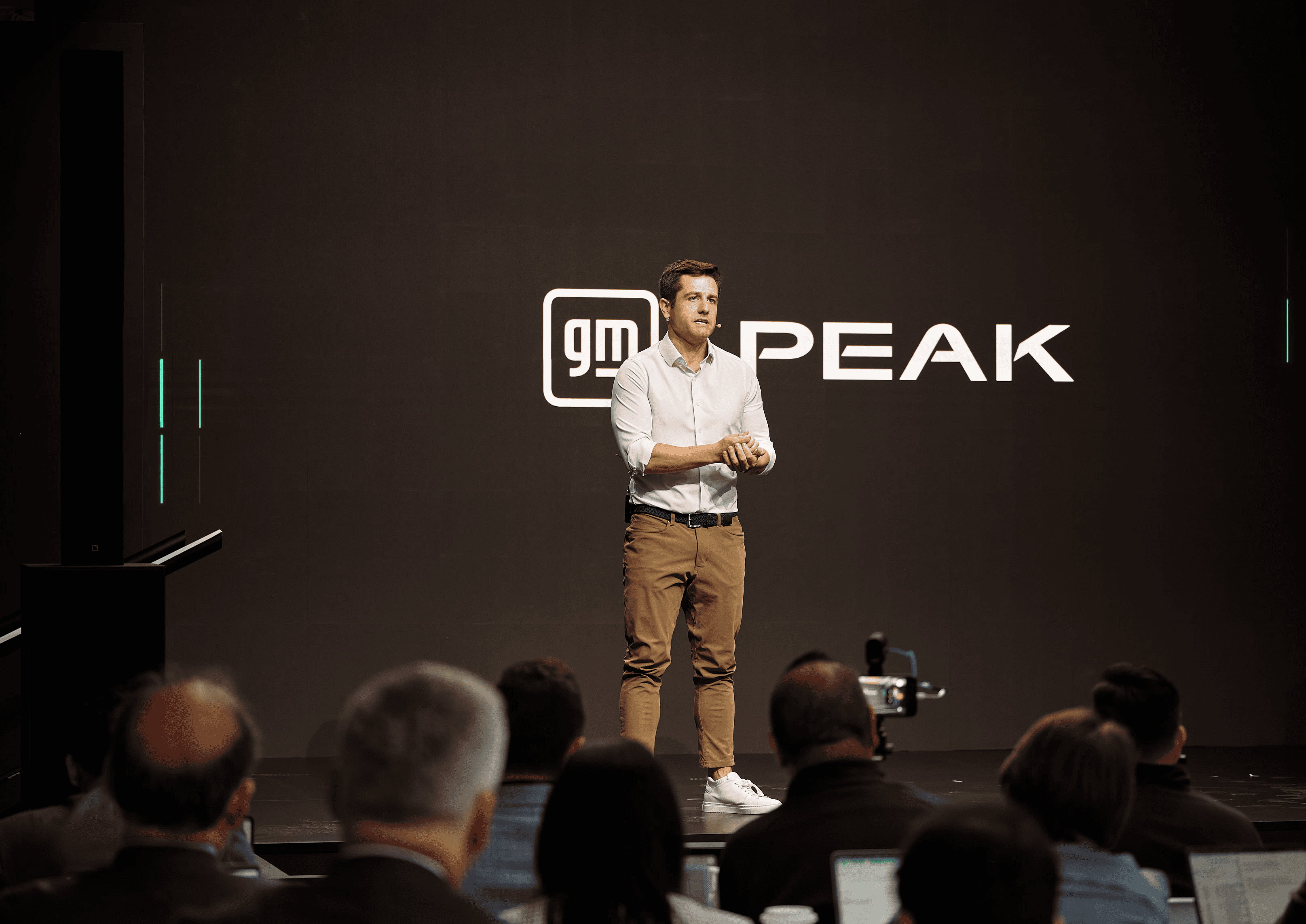
In just three years, Peak Energy has taken sodium-ion from a promising concept to a global category now widely recognized as the leading alternative to lithium-ion for grid-scale applications. With more than $1 billion in customer commitments and growing demand from utilities, power producers, and data centers, the company continues to strengthen its market leadership. The financing follows a period of significant progress for Peak. In June, the company announced a partnership with General Motors to jointly develop next generation sodium-ion battery cells for the storage market, leverage GM's U.S.-based battery cell industrialization expertise to support Peak, and in July unveiled its 4 GWh factory in Sacramento, CA, which will start production in Q1 2027.
"GM Ventures is investing to help Peak Energy continue to scale this innovative technology because we believe it has significant potential in the energy storage market as a safe, cost-effective solution using abundant, domestically sourced materials," said Kevin McCabe, president of GM Ventures.
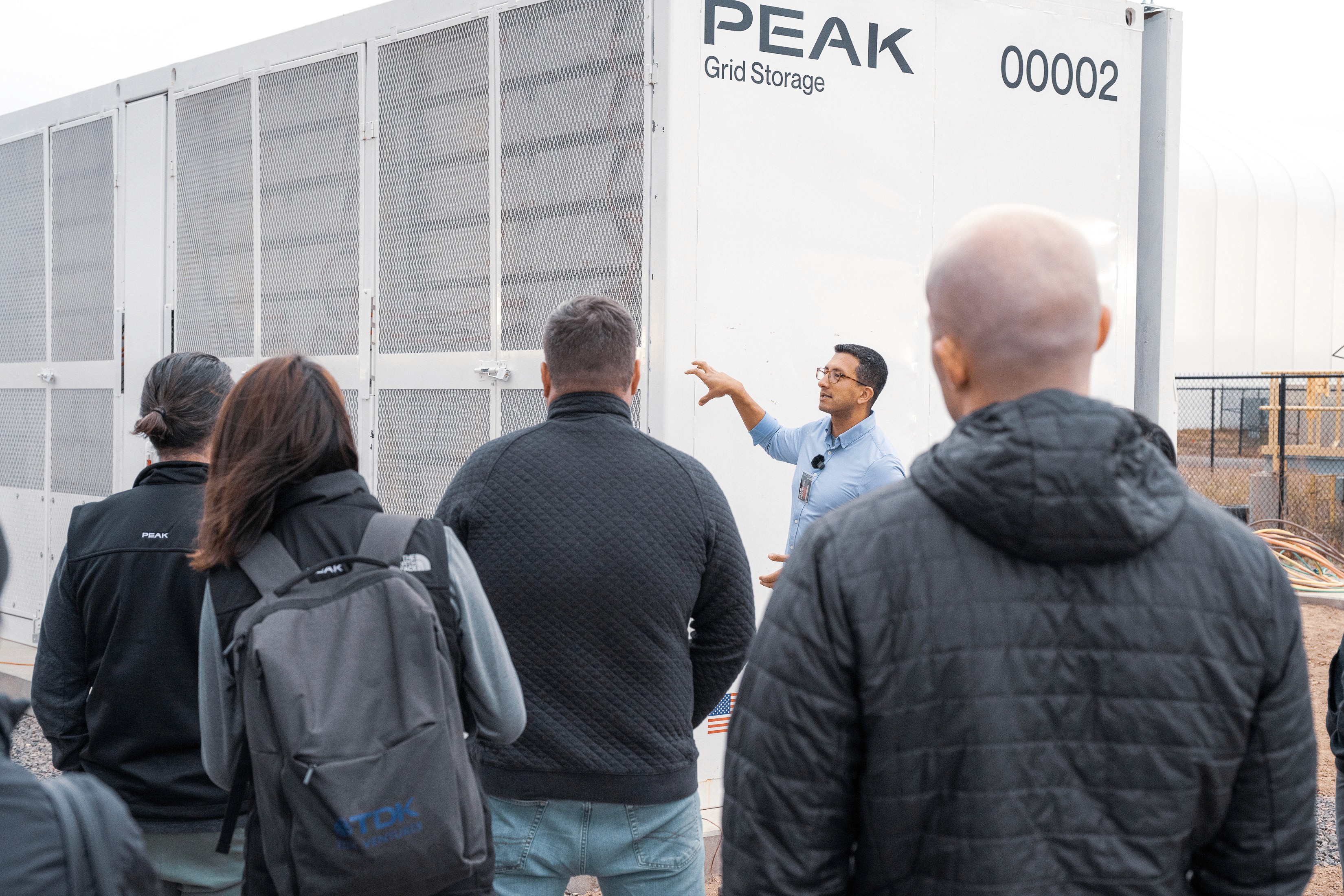
Peak's flagship passively cooled energy storage system is engineered to address the components that make energy storage expensive to operate and maintain. With a fundamentally simpler architecture, Peak can reduce the cost of energy by up to 20% compared with conventional storage systems. By eliminating wasteful cooling systems, reducing energy waste, and requiring zero planned maintenance, Peak systems deliver longer operating life and lower lifetime ownership costs – enabling a lower-cost and more reliable alternative to conventional energy storage technology.
"We spent a lot of time looking at the growing power requirements around AI infrastructure, and it became clear that energy storage is going to be an increasingly important part of the solution. Peak is taking a differentiated approach to sodium-ion, with a focus on the full system from chemistry and design through manufacturing and deployment at scale," said Kenneth Safar, Managing Director at Maverick Silicon. "The combination of strong technical progress, growing customer engagement and a large end market gives Peak an opportunity to build a defining platform in energy storage. We're excited to support the team as they scale."
Peak's system emits virtually no noise, consumes zero water, and eliminates the leading causes of battery fires, providing a safer and more community-friendly alternative for energy storage. As AI-driven demand accelerates, data center operators need storage solutions that are not only better for the community but also deliver more usable power. The result is a solution that addresses community and ratepayer concerns around affordability and safety while improving reliability and energy efficiency for data center operators.