The world's first fully passive grid-scale energy storage
The world's first fully passive grid-scale energy storage
Zero moving parts. 20 years of no scheduled maintenance.
96% round-trip efficiency.
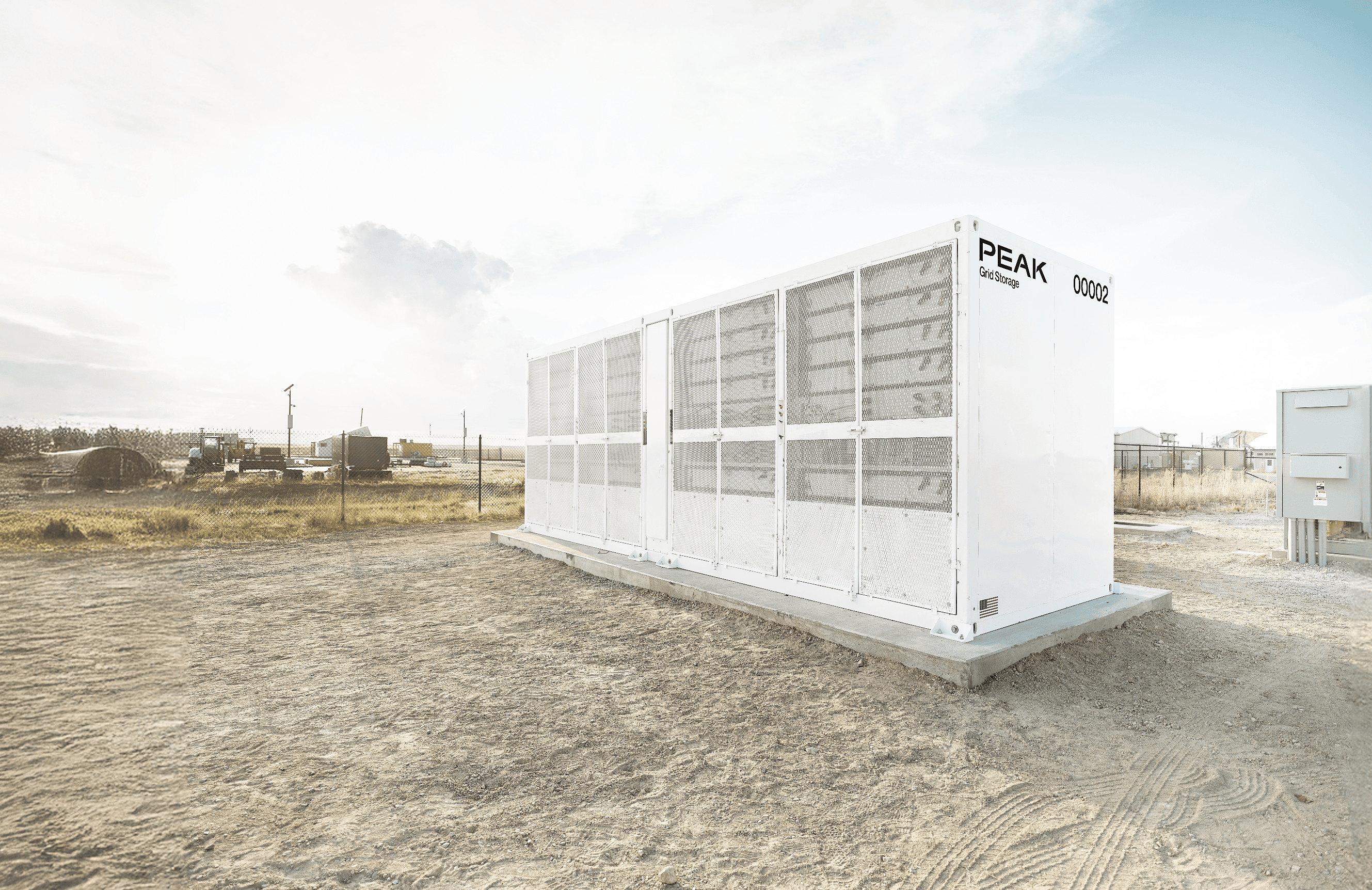
Our Product
Fully-passive means reliable & efficient.
Incumbent systems on the market are car batteries in a grid enclosure. The bolt-ons that keep them alive - fans, chillers, fluid loops - are where most failures happen and where most of the operating cost goes.
GS1.1 has none of them.
Incumbent systems on the market are car batteries in a grid enclosure. The bolt-ons that keep them alive - fans, chillers, fluid loops - are where most failures happen and where most of the operating cost goes.
GS1.1 has none of them.
01. THE ARCHITECTURE
Passive thermal architecture -
99% availability.
No fans, no compressors, no chillers, no fluid loops, no fire-suppression hardware. The architecture removes every component that drives most BESS failure modes — and runs the system without an aux-power draw to maintain temperature. 99% guaranteed availability under LTSA isn’t a service promise; it’s what the architecture itself produces.
02. The operating cost
Lowest total cost of ownership:
$75/kWh in net present value.
No scheduled maintenance. No thermal systems that fail. GS-1.1 operates for 20 years with minimal intervention, reducing on‑site complexity and maximizing uptime.
03. The lifetime
Engineered for 20 years:
no scheduled maintenance, no augmentation.
Design life matches the project life. Over 15,000 cycles, no fluid systems to top up, no filters to change, no compressors to service across the asset life.
The result: a system that exits year 20 still rated for grid-scale duty, not retired early and not augmented mid-life.
04. The safety case
Architectural safety – 89% of BESS incident causes removed by design.
Nearly 90% of historical BESS safety incidents originate in balance-of-system and controls. The passive architecture eliminates the failure-causing components. The chemistry contributes another margin: 60 °C higher thermal-runaway threshold than LFP, and 50% less flammable hydrogen vented in the worst-case failure.
05. THE INTEGRATION
Drop-in BESS interfaces:
same EMS, same install crew, faster installation.
Standard EMS integration points, standard inverters and no auxiliary hook-up. Construction & install crews operate on procedures they already run, so commissioning timeline are faster and more reliable.
06. The chemistry footnote
NFPP sodium-ion cells: purpose-built for stationary.
The chemistry beneath the passive architecture. NFPP is a stationary-purpose chemistry built for the duty cycle of grid storage, not the energy density of a vehicle. No lithium, no cobalt, no nickel, no graphite. Higher thermal-runaway threshold than LFP.
01. THE ARCHITECTURE
Passive thermal architecture -
99% availability.
No fans, no compressors, no chillers, no fluid loops, no fire-suppression hardware. The architecture removes every component that drives most BESS failure modes — and runs the system without an aux-power draw to maintain temperature. 99% guaranteed availability under LTSA isn’t a service promise; it’s what the architecture itself produces.
02. The operating cost
Lowest total cost of ownership:
$75/kWh in net present value.
No scheduled maintenance. No thermal systems that fail. GS-1.1 operates for 20 years with minimal intervention, reducing on‑site complexity and maximizing uptime.
03. The lifetime
Engineered for 20 years:
no scheduled maintenance, no augmentation.
Design life matches the project life. Over 15,000 cycles, no fluid systems to top up, no filters to change, no compressors to service across the asset life.
The result: a system that exits year 20 still rated for grid-scale duty, not retired early and not augmented mid-life.
04. The safety case
Architectural safety – 89% of BESS incident causes removed by design.
Nearly 90% of historical BESS safety incidents originate in balance-of-system and controls. The passive architecture eliminates the failure-causing components. The chemistry contributes another margin: 60 °C higher thermal-runaway threshold than LFP, and 50% less flammable hydrogen vented in the worst-case failure.
05. THE INTEGRATION
Drop-in BESS interfaces:
same EMS, same install crew, faster installation.
Standard EMS integration points, standard inverters and no auxiliary hook-up. Construction & install crews operate on procedures they already run, so commissioning timeline are faster and more reliable.
06. The chemistry footnote
NFPP sodium-ion cells: purpose-built for stationary.
The chemistry beneath the passive architecture. NFPP is a stationary-purpose chemistry built for the duty cycle of grid storage, not the energy density of a vehicle. No lithium, no cobalt, no nickel, no graphite. Higher thermal-runaway threshold than LFP.
Specifications
Sodium-Ion (NFPP)
Sodium-Ion (NFPP)
Battery chemistry
Battery chemistry
20 years
20 years
Design Life
Design Life
Design Life
Passive cooling, resistive heating
Passive cooling, resistive heating
Thermal management
Thermal management
Thermal management
−40 to +55 °C
−40 to +55 °C
Ambient operating temperature
Ambient operating temperature
110,000 lbs (49,895 kg)
110,000 lbs (49,895 kg)
Maximum weight
Maximum weight
Maximum weight
24 × 8.5 × 10.4 ft (7.32 × 2.59 × 3.17 m)
24 × 8.5 × 10.4 ft (7.32 × 2.59 × 3.17 m)
Dimensions
Dimensions
Dimensions
3.1 MWh
3.1 MWh
Usable energy capacity
Usable energy capacity
Usable energy capacity
750–1500 V
750–1500 V
Operating voltage
Operating voltage
Operating voltage
775 kW at 4 hours
775 kW at 4 hours
DC power at rated duration
DC power at rated duration
4–8 hours
4–8 hours
Duration
Duration
96%
96%
DC round-trip efficiency
DC round-trip efficiency
IP 66
IP 66
IP rating
IP rating
UL 9540, UL 9540A, UL 1973,
UN 38.3, NFPA 855
UL 9540, UL 9540A, UL 1973,
UN 38.3, NFPA 855
Codes and compliance
Codes and compliance
Lower OpEx. Higher uptime. Better LCOS.
GS-1.1 avoids auxiliary power consumption costs that eat into system revenue. No Chiller or HVAC load massively reduces operating costs. With fewer failure-prone systems, truck rolls are rare. Better degradation means lower overbuild. This is how you deliver grid-scale storage without adding grid-scale complexity.
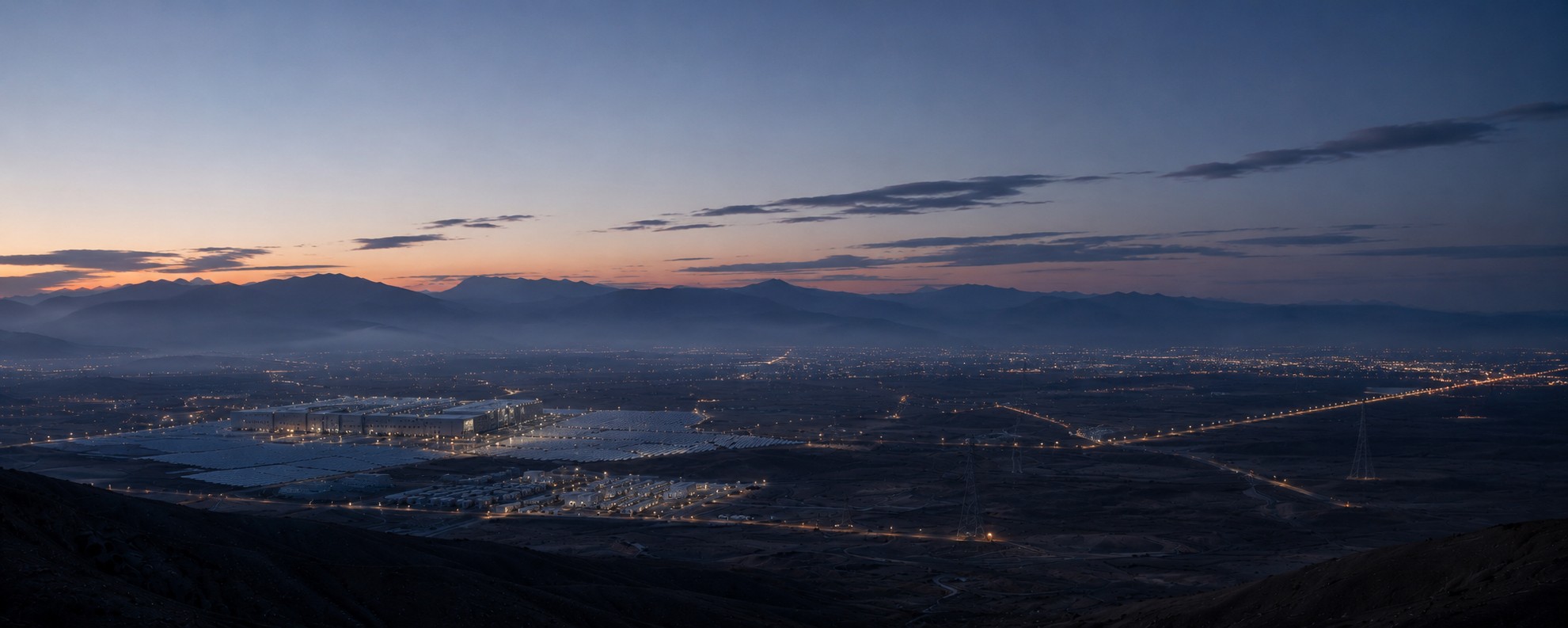
What the system does for an AI data center
AI training workloads behave like nothing else on the grid. When you're buying compute per MWh of electricity, the same architecture behind the numbers above takes on a whole different economic shape.
What the system does for an AI data center
AI training workloads behave like nothing else on the grid. When you're buying compute per MWh of electricity, the same architecture behind the numbers above takes on a whole different economic shape.
Integrated solution for complex AI power needs
AI training pulses swing more than 50% of TDP in milliseconds - a profile legacy power infrastructure was never built to handle. Peak's architecture is engineered for it, delivering higher round-trip efficiency under pulse loading than LFP. On a 1 GW campus, that efficiency edge flows straight to the GPUs: 441 trillion additional tokens a year and more compute per dollar of electricity.
Integrated solution for complex AI power needs
AI training pulses swing more than 50% of TDP in milliseconds - a profile legacy power infrastructure was never built to handle. Peak's architecture is engineered for it, delivering higher round-trip efficiency under pulse loading than LFP. On a 1 GW campus, that efficiency edge flows straight to the GPUs: 441 trillion additional tokens a year and more compute per dollar of electricity.

Silent and safe to operate
No compressors, no HVAC, no fans, no coolant pumps. Peak’s passive system can be deployed adjacent to occupied data-centre sites without acoustic or air-handling permits. Time to power, measured site-to-site, comes down by months.
Silent and safe to operate
No compressors, no HVAC, no fans, no coolant pumps. Peak’s passive system can be deployed adjacent to occupied data-centre sites without acoustic or air-handling permits. Time to power, measured site-to-site, comes down by months.
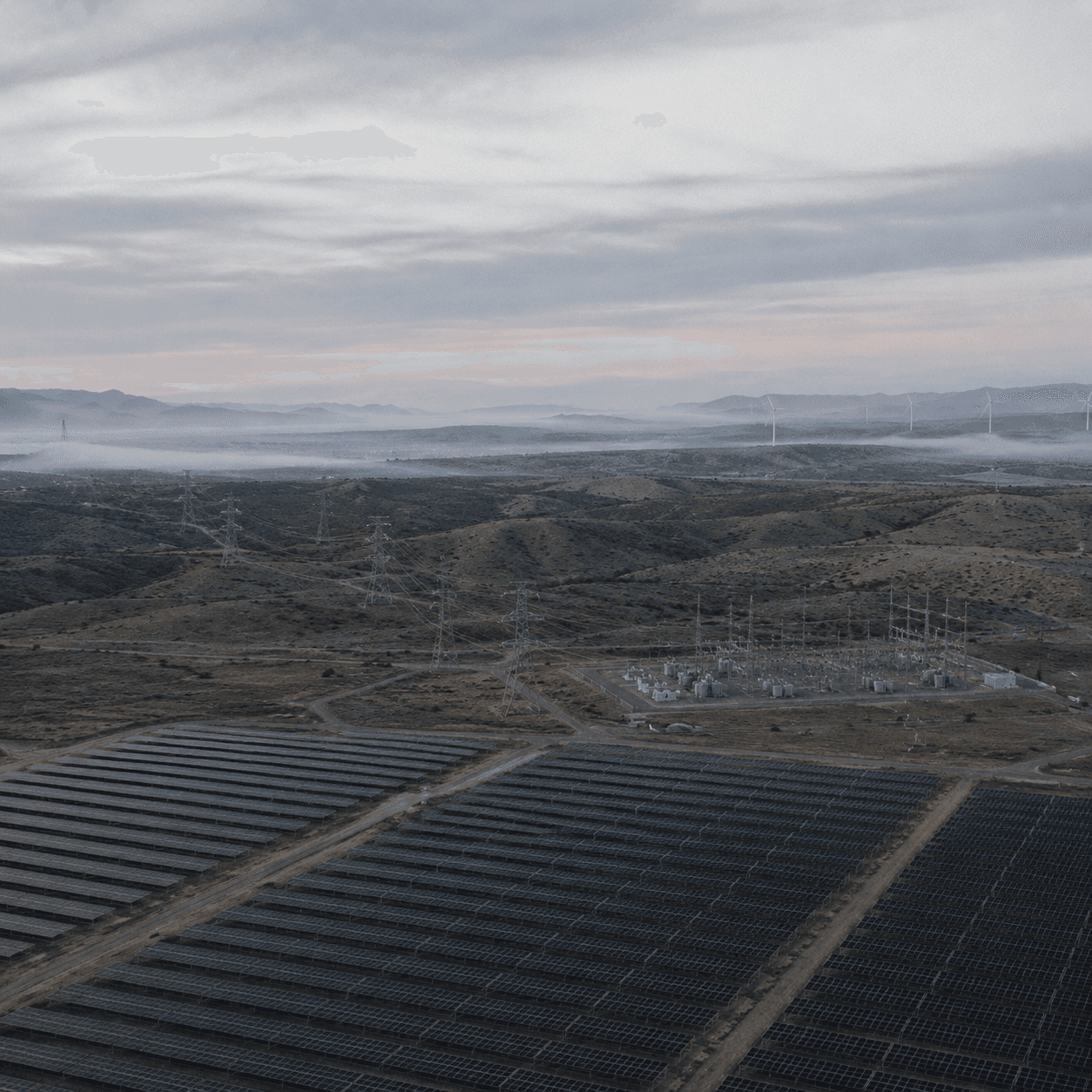
Curtailment compliance unlocks faster interconnect
FERC docket RM26-4 treats 4–8 hours of dispatchable storage as a regulatory unlock for high-demand interconnects. Peak’s duration sits exactly in that band — turning multi-year queues into year-scale deployments.
Curtailment compliance unlocks faster interconnect
FERC docket RM26-4 treats 4–8 hours of dispatchable storage as a regulatory unlock for high-demand interconnects. Peak’s duration sits exactly in that band — turning multi-year queues into year-scale deployments.

Footprint efficiency for urban sites
Up to 200 MWh per acre at 96% round-trip efficiency. Purpose-built for high-density urban data-centre deployments where land is the binding constraint and every adjacent foot of campus has a higher-value use.